What actually goes into a pot of kalle pache?
The base of kalle pache is deceptively short: lamb head and trotters, onion, turmeric and garlic, plus water, salt and time. That is the whole list of what simmers in the pot. Everything else — the brightness of fresh lime squeezed in at the table, a small pinch of cinnamon, the crunch of pickles alongside — is added at the finish, not cooked in. What turns those few ingredients into something remarkable is not a secret spice blend but the roughly fourteen hours of slow simmering that pull collagen, marrow and flavour out of the bones. At Shaun the Sheep on Jumeira Street the pot goes on long before dawn and is skimmed hourly until the broth is the colour of strong tea. Below we walk through the cuts, then where to find Iranian ingredients in Dubai — and how to skip the fourteen-hour cook entirely. You can see the full range on the menu and order page.
Which cuts give kalle pache its character?
Kalle pache is really a family of cuts, and Persian cooks name each one. The head gives you brain (maghz), tongue (zaban) and lamb cheek (bonagoosh); the feet give you the trotters (pache); and around them sit the meat, the tripe (sirabi) and the rich broth itself. Brain is silky and mild, tongue is dense and clean, cheek is meltingly tender, and the trotters give the broth its body and gelatin. If you cannot decide, the house Special Mix lets you taste several in one bowl, while brain soup and plain soup are the gentlest places to start.
Where do you find Iranian ingredients in Dubai?
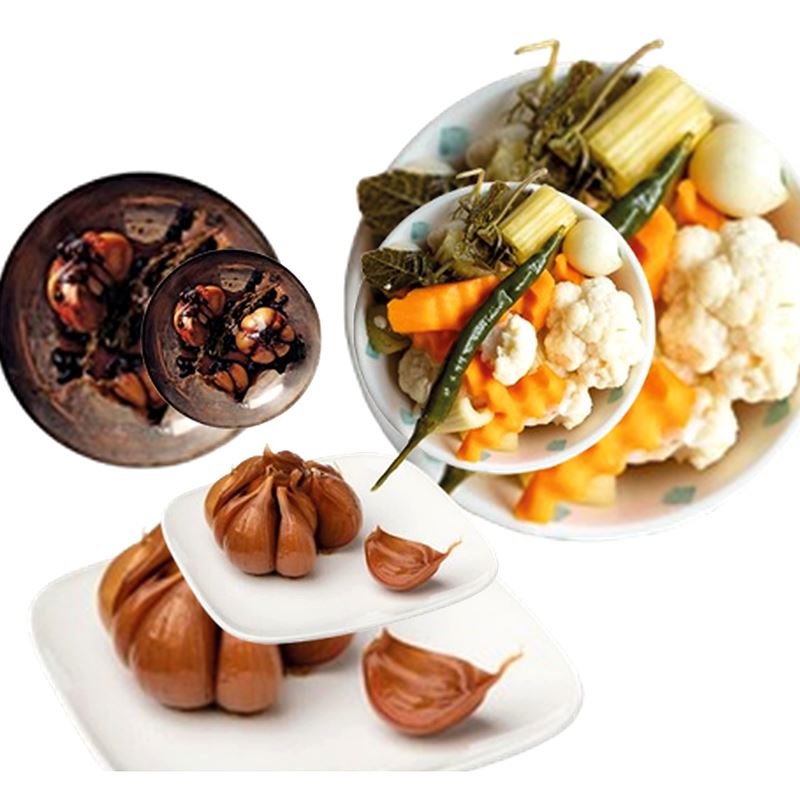
Dubai is one of the easiest cities outside Iran to cook Persian food in, because the pantry staples are widely stocked. Iranian and wider Middle Eastern grocers around the city carry the dried limes (limoo amani), turmeric, saffron, dried herbs, barberries, rice and rosewater that Persian home cooking leans on, and fresh sangak is baked daily in several neighbourhoods. For the kalle pache table specifically, the three things you want are sangak bread to tear into the broth, mixed torshi and a seven-year garlic pickle to cut the richness, and doogh, the salted mint yoghurt drink, to wash it all down. The staples, honestly, are the easy part.
Why is sourcing and cleaning the hardest part of kalle pache?
The genuine difficulty of kalle pache is not the recipe — it is everything before the pot. Sourcing fresh, good-quality heads and trotters is the first hurdle, and cleaning them is the real work. Before anything simmers, the trotters have to be singed and scraped, the head split and cleaned by hand, the whole lot rinsed again and again. It is slow, exacting, unglamorous work, which is exactly why so many people who love kalle pache have never once made it at home. Then comes the cook itself: a fourteen-hour simmer needs a heavy pot, a low steady flame, and someone awake to skim the surface every hour so the broth stays clean and clear rather than cloudy and heavy. Miss the skimming and the whole pot suffers.
Should you cook kalle pache at home or order it?
If you enjoy a weekend project and can find good heads and trotters, cooking kalle pache yourself is genuinely rewarding. For most people, though, the maths favours letting a kitchen that already runs the fourteen-hour cycle do it. Here is an honest comparison.
| Step | Cooking it at home | Letting our kitchen do it |
|---|---|---|
| Sourcing | Track down fresh heads and trotters yourself | Sourced and prepped daily |
| Cleaning | Hours of singeing, splitting and scraping | Hand-cleaned before dawn |
| Cooking | ~14 hours, low flame, heavy pot | Simmered ~14 hours in a copper pot |
| Skimming | Someone awake to skim hourly | Skimmed hourly by the kitchen |
| Sides | Buy sangak, torshi and doogh separately | Sangak, torshi, garlic pickle and doogh together |
| Ready when | Most of a day and night later | Any hour, delivered or dine-in |
What sides and drinks complete the meal?
A bowl of broth is only half of kalle pache; the table around it matters just as much. Warm sangak — or the loaded special sangak — is torn straight into the broth. Mixed torshi and the seven-year garlic pickle bring the sharp, sour edge that balances all that richness. A cold glass of doogh is the traditional partner, with hot tea or a fresh lemonade if you prefer. Ordered together, these are the difference between plain broth and a proper meal.
How do you get kalle pache in Dubai without cooking at all?
The simplest route to a real Tehran-style bowl is to skip the sourcing and cleaning entirely. Shaun the Sheep is open 24 hours a day, seven days a week, and the lamb is halal in line with UAE law and standards. We deliver across all of Dubai — every one of the city's 141 areas, with the fee chosen by area at checkout and delivery free on orders over AED 300 — and pickup and dine-in are always open too. Being in Jumeirah 1 keeps us close to Jumeirah, Al Wasl, City Walk, Downtown, DIFC, Business Bay, La Mer and Jumeirah Bay. Browse everything on the menu and order page, or reserve a table and let the fourteen-hour pot do the work for you.
