What is Shirazi salad?
Shirazi salad (Persian «سالاد شیرازی», salad-e Shirazi) is the small, sharp, finely chopped salad that sits on almost every Iranian table. Named after the city of Shiraz, it is nothing more than cucumber, tomato and onion cut into tiny cubes and dressed at the last minute with fresh lime juice or verjuice, a little salt and dried mint. There is no lettuce, no leaves and no creamy dressing — just cold, crunchy, tangy vegetables. Its whole job is to cut through rich, fatty cooked dishes, which is exactly why it turns up beside kababs, rice, and slow-simmered meats like kalle pache and abgoosht. This guide shows you how to make Shirazi salad properly, with the right ratios, the fine-dice technique, and the one timing trick that keeps it crisp instead of watery.
Why does the fine dice matter so much?
The defining feature of Shirazi salad is the cut. Everything is diced very small — cucumber, tomato and onion in neat cubes of roughly five millimetres, all about the same size. This is not fussiness for its own sake. When the pieces are tiny and even, every spoonful carries a little of each vegetable plus the dressing, so the salad eats almost like a fresh relish rather than a plate of chunky vegetables. A rough chop gives you big, watery bites and uneven seasoning; a careful fine dice gives you that clean, uniform crunch that makes Shirazi salad feel so refreshing next to a heavy main. Take your time with a sharp knife — this is the one part of the recipe worth slowing down for.
What ingredients do you need for Shirazi salad?
This makes enough for four people as a side.
- 4 Persian or Lebanese cucumbers (about 400 g), or 2 regular cucumbers
- 3 firm, ripe medium tomatoes (about 400 g)
- 1 small red onion (about 100 g)
- Juice of 2–3 limes (about 4 tablespoons), or 3 tablespoons verjuice (abghureh)
- 1 tablespoon dried mint, crushed between your fingers
- 2 tablespoons extra-virgin olive oil (optional)
- 1/2 teaspoon salt, or to taste
- Freshly ground black pepper, to taste
- Optional: 1 tablespoon chopped fresh mint, or a pinch of dried rose petals
How do you make Shirazi salad step by step?
Give yourself about fifteen minutes and a sharp knife.
- Wash and dry the cucumbers and tomatoes well. Drying matters — surface water thins the dressing.
- Cut the cucumbers into small, even cubes of about five millimetres. If you are using thick-skinned regular cucumbers, peel them first; thin-skinned Persian ones can stay unpeeled.
- Dice the tomatoes to the same size. If they are very juicy, scoop out and discard the watery seed pockets first so the salad does not flood.
- Peel the onion and dice it as finely as you can. For a milder result, soak the diced onion in cold water for ten minutes, then drain and pat dry.
- Combine the cucumber, tomato and onion in a bowl and add the dried mint.
- Just before serving, add the lime juice or verjuice, the olive oil if using, the salt and a little black pepper. Toss gently.
- Taste and adjust — a little more lime for sharpness, a pinch more salt for balance — and serve straight away, cold.
Lime juice or verjuice — which should you use?
Both are traditional, and the choice sets the character of the salad. Fresh lime juice (Iranians often reach for the small, fragrant limes sold as limu) gives a bright, clean sourness that most people know. Verjuice — abghureh, the tart pressed juice of unripe grapes — is the old Shirazi favourite: softer and rounder than lime, with a gentle, almost floral sourness. If you have verjuice, try it at least once; if not, lime juice is a perfect everyday choice. Avoid bottled lemon juice, which tastes flat next to the fresh article.
When should you dress Shirazi salad so it stays crisp?
This is the single most important tip, and it is where most home cooks go wrong. Salt and acid both pull water out of cucumber and tomato, so if you dress the salad early it collapses into a soggy, watery pool within the hour. The fix is simple: chop everything ahead, but dress only in the last few minutes before serving. Keep the diced vegetables covered in the fridge, mix in the dried mint, and add the lime juice, oil and salt at the table or just before you carry it out. Dressed this way, Shirazi salad stays cold, crunchy and vivid — exactly the contrast a rich main needs.
A quick guide to the ratios
| Style | Cucumber : tomato : onion | Best for |
|---|---|---|
| Classic balance | 2 : 2 : 1 | The everyday Shirazi |
| Extra crunchy | 3 : 2 : 1 | Cutting very rich, fatty mains |
| Milder onion | 2 : 2 : ½ | If raw onion is too sharp for you |
Why does Shirazi salad go so well with rich Persian mains?
Persian cooking loves a contrast of rich and fresh, and Shirazi salad is the fresh half of that partnership. A bowl of kalle pache or abgoosht (dizi) is deep, fatty and warming; a spoonful of cold, sour, minty salad alongside resets your palate between mouthfuls and keeps the meal feeling light. The dried mint adds a herbal lift, the lime cuts the fat, and the crunch is a welcome change of texture next to soft, slow-cooked meat. This is a matter of tradition and taste rather than any health claim — but it is no accident that the sharpest little salad in Iran grew up beside its richest dishes.
Can you order a Persian meal in Dubai instead?
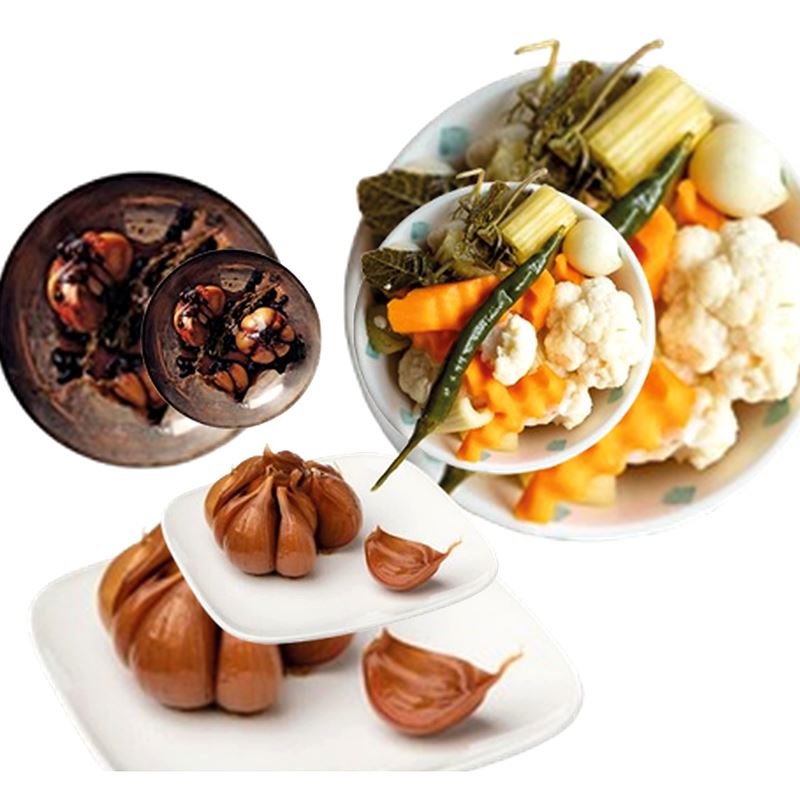
Making Shirazi salad at home is quick and satisfying, and it is the natural partner for a slow-cooked Tehran-style meal. If you would like that meal without the fourteen-hour simmer, that is exactly what we do: at Shaun the Sheep — one kitchen at 64 Jumeira Street, Jumeirah 1 — we cook Tehran-style kalle pache and abgoosht (dizi) around the clock, with fresh sangak, mixed torshi and seven-year garlic pickle on the side. We deliver across Dubai, with delivery free over AED 300, and pickup and dine-in are always open; the lamb is halal. Chop a bowl of Shirazi salad to go with it, then order the main from the menu and order page, or reserve a table if you would rather sit down to the full spread.
