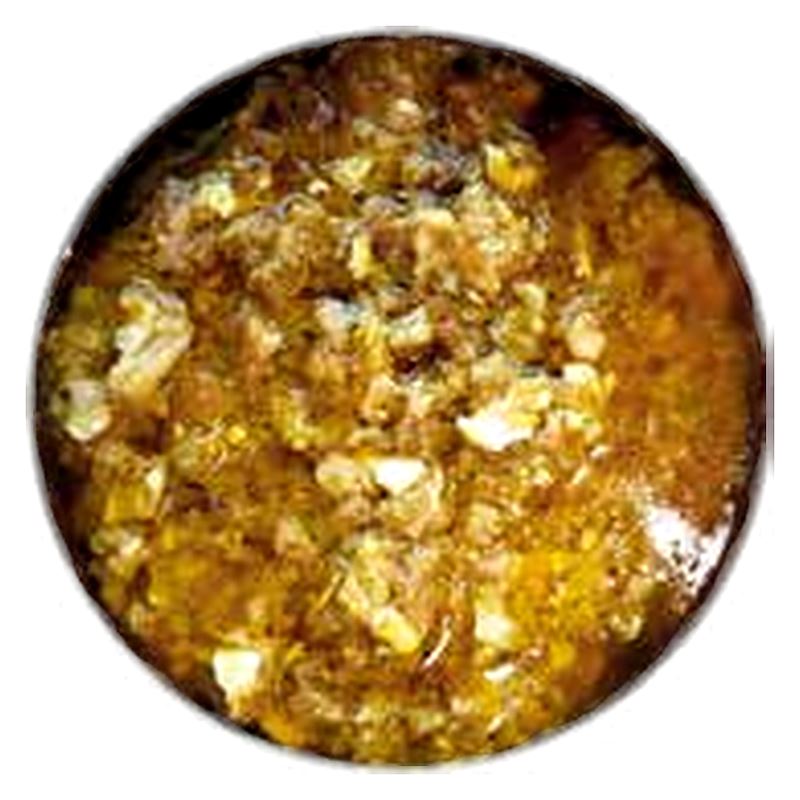
What is kuku sabzi, and why is it on every Nowruz table?
Kuku sabzi — «کوکو سبزی» — is the Persian herb frittata: a dense, deep-green cake of eggs held together by more herbs than you would think possible, studded with walnuts and tart barberries. «Sabzi» simply means greens, and that is exactly what this dish is — a handful of eggs used to hold a garden together, not the other way round. It is fried in a pan or baked in the oven, cut into wedges, and eaten warm or at room temperature. On the Nowruz table it is almost obligatory: the vivid green stands for spring, renewal and rebirth, and the eggs for fertility and the year ahead. It is also the great Iranian picnic and lunchbox food, because it travels well and tastes even better the next day, tucked into warm bread with a few pickles.
What ingredients do you need for kuku sabzi?
The single most important thing to understand is the ratio: this is a herb dish held together by egg, so the volume of chopped greens should look almost comical next to the eggs. Use fresh herbs, not dried, and be generous. This makes one large kuku for four to six people as a starter or light meal. Everything here is naturally vegetarian and halal.
- 6 large eggs
- 2 packed cups finely chopped parsley (about 1 large bunch)
- 2 packed cups finely chopped coriander (cilantro)
- 1 packed cup finely chopped dill
- 1 packed cup finely chopped chives, garlic chives (tareh), or the green tops of spring onions
- 2 tablespoons fresh fenugreek leaves, finely chopped (or 1 teaspoon dried) — optional but traditional
- 1/2 cup walnuts, roughly chopped
- 2 tablespoons dried barberries (zereshk), rinsed
- 1 tablespoon plain flour, or 1/2 teaspoon baking powder, to help it set and rise
- 1/2 teaspoon ground saffron, bloomed in 2 tablespoons hot water (optional)
- 1 teaspoon salt, 1/2 teaspoon black pepper, 1/4 teaspoon turmeric
- 4–5 tablespoons neutral oil for frying, or 2 tablespoons if baking
- Equipment: a sharp knife or food processor, a wide nonstick or well-seasoned frying pan (about 24 cm) with a lid, or an oven dish for baking
How do you make kuku sabzi step by step?
- Wash the herbs and — this is the step people skip and regret — dry them completely, in a salad spinner or on clean towels. Wet herbs are the number one cause of a soggy, grey kuku.
- Chop all the herbs very finely. A food processor is fine, but pulse in short bursts so you shred rather than purée them; a wet green mush will not set well.
- For a deeper colour and less raw taste, warm 1 tablespoon oil in the pan and gently sauté the herbs for 3–4 minutes until they darken and any moisture cooks off. Let them cool. This is optional, but it is the trick that keeps the kuku green rather than grey.
- In a large bowl, beat the eggs with the salt, pepper, turmeric, flour or baking powder, and the saffron water if using. Beat just until blended — you do not want a foam.
- Fold in the herbs, walnuts and barberries until you have a thick, spoonable green batter. It should look more green than egg.
- To fry: heat 4 tablespoons oil in the pan over medium heat, pour in the batter and level the top. As soon as it sets around the edge, drop the heat to low, cover, and cook 12–15 minutes until the top is no longer wet.
- Cut the kuku into quarters in the pan, then flip each piece with a spatula. Add a little more oil if the pan looks dry, and fry the second side uncovered for 6–8 minutes until firm and set.
- To bake instead: heat the oven to 180°C, oil an oven dish, pour in the batter, and bake for 35–40 minutes until set and springy in the centre. Baking is more forgiving and less greasy.
- Rest for five minutes, then cut into wedges or diamonds. Serve warm or at room temperature.
Fried or baked — which method should you choose?
Both are traditional. Frying gives you the classic crisp, slightly oily edges that many Iranians consider the whole point; baking is lighter, tidier and almost impossible to burn. Here is the honest comparison.
| Method | Texture | Difficulty | Best for |
|---|---|---|---|
| Fried in a pan | Crisp, rich edges; the classic taste | Needs a careful flip | Traditional flavour and small batches |
| Baked in the oven | Lighter, even, less oil | Very easy and hands-off | Big batches, picnics, less mess |
How do you keep kuku sabzi green instead of grey?
A grey, dull kuku is the most common disappointment, and it comes down to moisture and heat. First, dry your herbs thoroughly — water trapped in the greens steams them dull. Second, the brief sauté in step three deepens and fixes the colour. Third, do not overcook: the longer eggs and herbs sit over heat, the more the green fades to khaki, so cook it just until set and no further. A little baking powder helps it puff and cook faster, which also protects the colour. And using truly fresh, bright herbs rather than tired ones from the back of the fridge makes more difference than any single trick.
Why is my kuku greasy, or why does it fall apart?
Greasy kuku usually means the oil was not hot enough when the batter went in, so it soaked in instead of searing — or simply that there was too much oil. Get the pan properly hot first, use a measured amount of oil, and rest the finished wedges on paper for a minute. If you want to avoid the issue entirely, bake it. Falling apart is the opposite problem: too many herbs and not enough egg or binder to hold them. If your batter looks loose and barely coats the greens, beat in one more egg and the tablespoon of flour. And cutting the kuku into quarters before you flip, rather than trying to turn the whole disc at once, saves many a broken kuku.
What do you serve with kuku sabzi?
Kuku sabzi is happiest at room temperature, wrapped in warm bread with a smear of yogurt, some fresh herbs, radishes and a few sharp pickles — the classic sandwich for Nowruz picnics and long car journeys. It keeps in the fridge for three to four days and is arguably better on day two. If you love this kind of herb-forward Persian cooking but want the slow-simmered, meaty side of the Tehran table without the hours at the stove, that is our corner. We are a kalle pache kitchen — we do not make kuku — but our slow-cooked kalle pache and abgoosht (dizi) arrive with warm sangak, torshi and doogh, the same table your kuku belongs on. Make the kuku for the family, then browse the menu and order page for the broth to go beside it — we deliver across Dubai, free on orders over AED 300, and never close — or reserve a table and let us handle the long cooking.
